Staircase Materials in India: Choosing for Climate, Not Just Looks
Material choice on a staircase is usually made for how it looks and paid for in how it behaves. In India the deciding factor is rarely the showroom. It is humidity, monsoon damp, and how close you are to the sea.
Here is what each material is actually good at, and what it will ask of you afterwards.
Mild steel
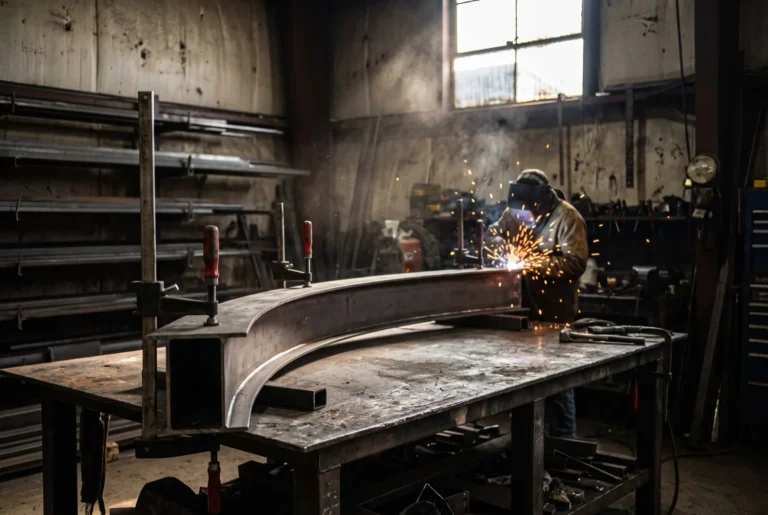
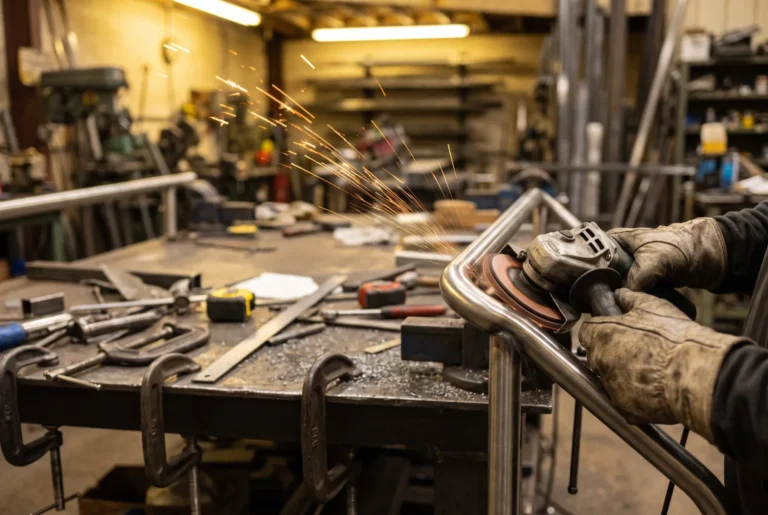
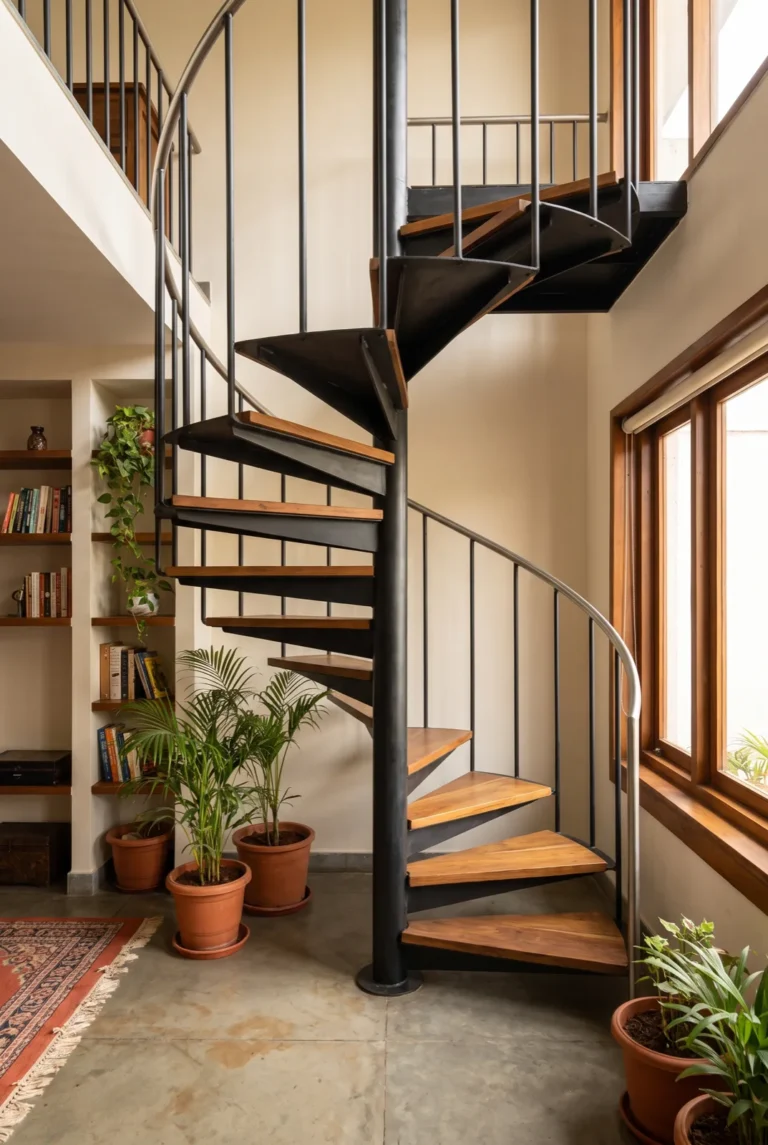
The workhorse. Strong, stiff, economical, and it welds and fabricates easily, which is why most structural stringers and centre columns are mild steel whatever the staircase looks like from the outside.
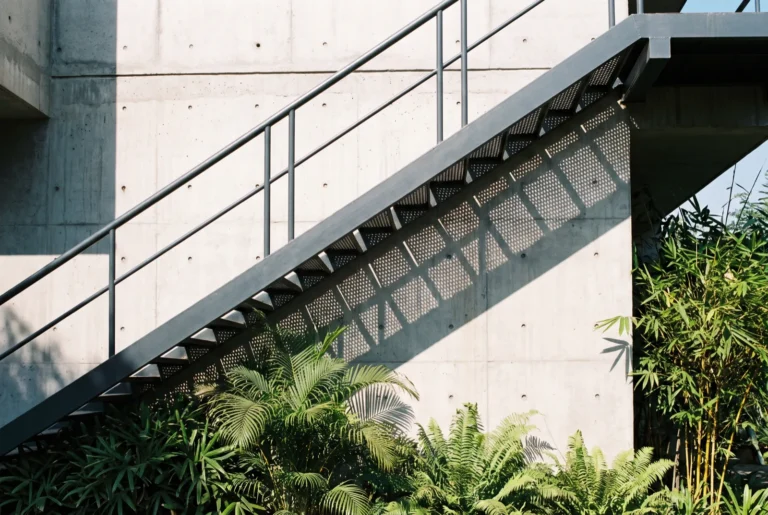
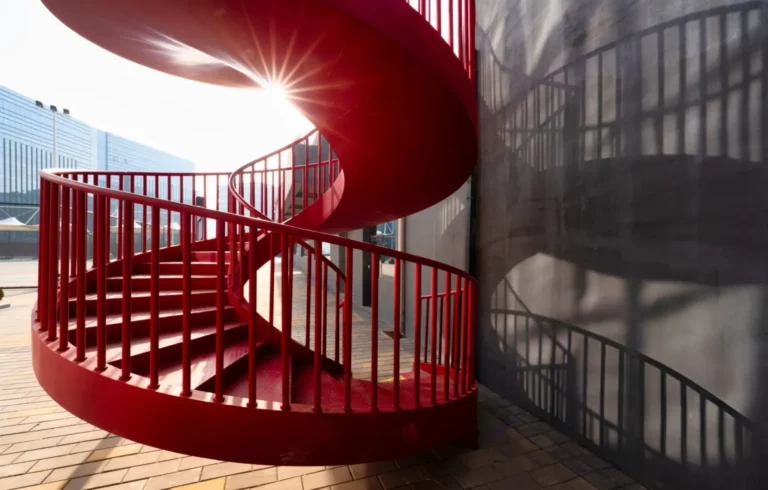
Its weakness is corrosion. Mild steel depends entirely on its coating, so a powder coat or paint finish is not decoration, it is the protection. Indoors that lasts a long time. Outdoors, or anywhere humid, it needs either galvanising or a maintained coating.
Choose it when
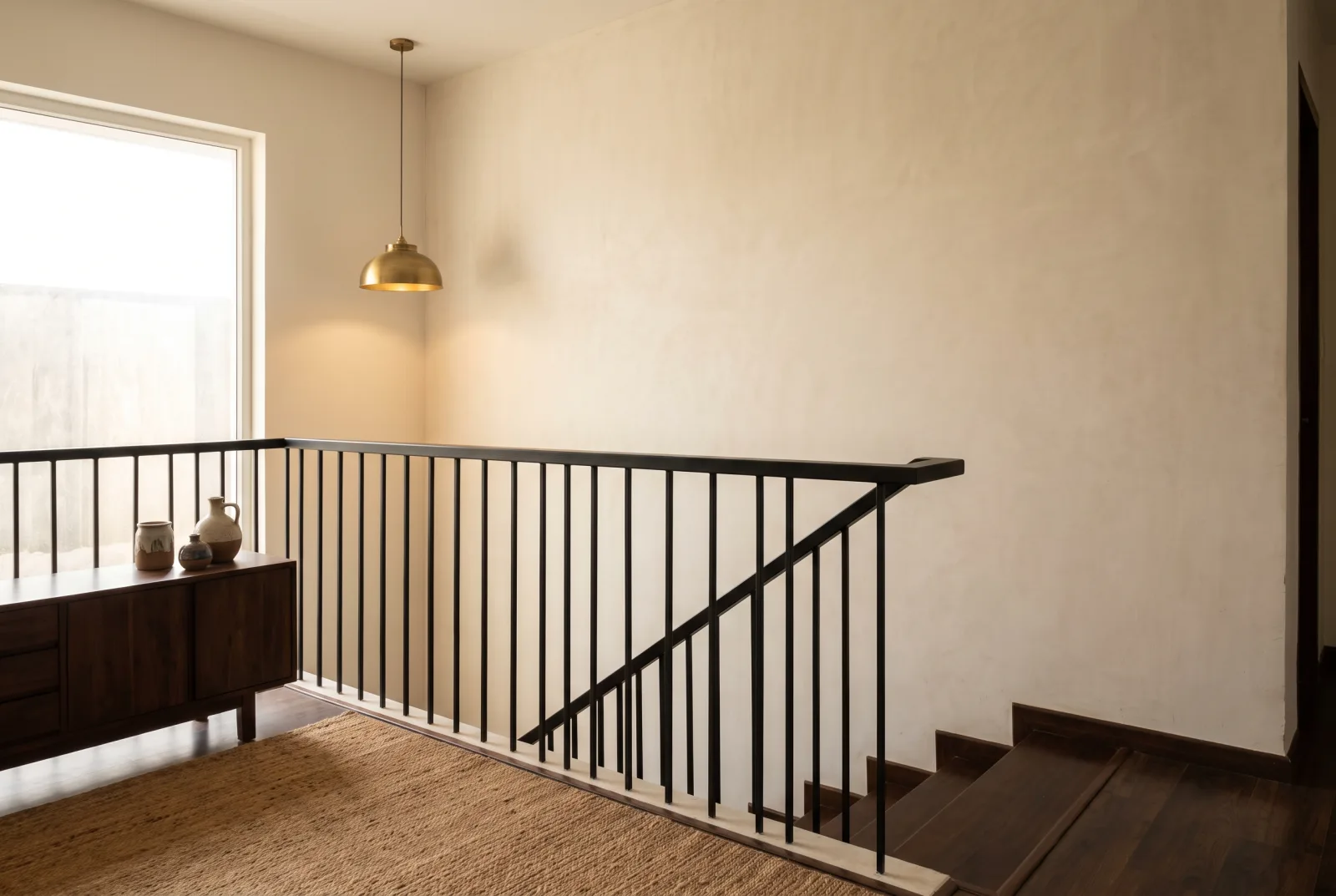
You want strength and value, the staircase is indoors or will be galvanised, and you like a matte black or coloured finish.
Stainless steel, and why the grade matters
Stainless is a family, not a specification, and the difference is worth knowing before you sign anything.
- 304 is the common indoor grade. Fine in most interiors, and less expensive.
- 316 contains molybdenum, which resists chloride corrosion. It is the grade that belongs anywhere near the sea, and the reason we use 316-grade cable on railings.
Specifying 304 in a coastal city to save money is a false economy: it will show tea-staining, a brown discolouration that is difficult to remove once established. If you are in Mumbai, Chennai, Kochi or anywhere with salt in the air, ask which grade you are being quoted.
Aluminium
Light, genuinely rust-proof, and it takes an anodised finish that is grown into the surface rather than painted on, so it does not chip off an edge. Excellent for railings, balustrades, and door and window systems.
It is about a third as stiff as steel, so it is the wrong choice for structural stringers and long unsupported spans. Most staircases described as aluminium are a steel structure with aluminium railings, which is usually the right answer rather than a compromise. Where aluminium works and where steel is better covers this in detail.
Glass
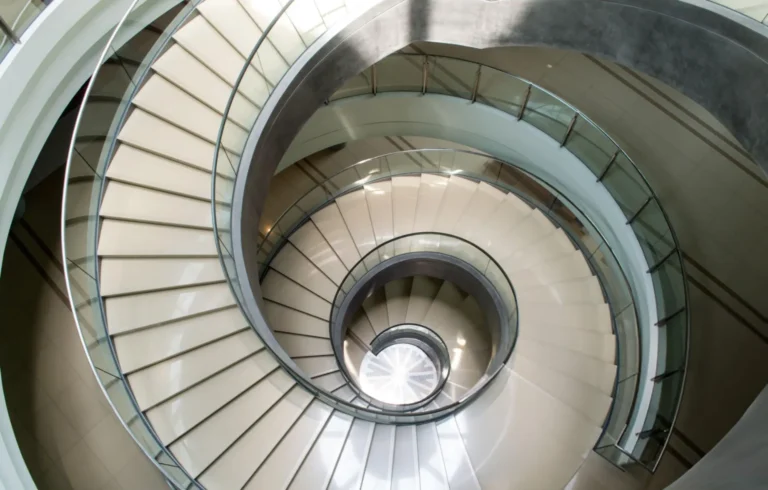
Used for balustrade infill, and occasionally treads. It keeps sightlines and light, which matters in narrow Indian stairwells where a solid balustrade makes the space feel smaller than it is.
- Toughened glass is heat-treated for strength and breaks into blunt granules.
- Laminated glass has an interlayer that holds the pieces together if it breaks, which is why it is preferred where a fall is possible.
Practical note: glass shows fingerprints and dust at exactly hand height, so a household with small children will clean it often. Beautiful, but not low-effort.
Timber
Warm underfoot, quieter than metal or stone, and the material people most often want for treads even on a steel structure. Teak and other dense hardwoods handle Indian humidity well; softer timbers move more with seasonal moisture.
It wears where people walk, which is either patina or damage depending on your view. It can be sanded and refinished in place, which no other tread material allows.
Stone and terrazzo
Hard-wearing, cool underfoot, and very much at home in Indian construction. Heavy, which the structure has to be designed for from the start rather than discovered later, and unforgiving if something is dropped on it. Polished stone can be slippery when wet, so finish matters as much as material on a staircase.
Brass
Chosen for handrails and detail work rather than structure. It develops a patina over time, which is the point for some people and an annoyance for others. It can be lacquered to hold its colour or left to age. Warm to the touch in a way steel never is, which is a real consideration on the one part of a staircase everybody actually touches.
Choosing by where you live
- Coastal, salt air. 316 stainless, anodised aluminium, or galvanised steel. Avoid 304 stainless and untreated mild steel outdoors.
- Heavy monsoon, exposed terrace. Galvanised steel structure with aluminium or 316 stainless railings, and drainage detailing so water does not stand at fixings.
- Dry interior. Almost anything works. Choose on appearance and maintenance appetite.
- High-traffic commercial. Steel structure, stone or hardwood treads, and a finish that can be renewed without closing the building.
The honest summary
There is no best material, only a best fit for a specific span, location and tolerance for upkeep. A staircase that needs constant attention is a staircase that will stop getting it, so the material that suits your actual habits will outlast the one that photographs best.
If you are weighing options, custom staircase solutions covers how material choice feeds into the drawing stage, and sending your measurements with a note about your location will get you a recommendation rather than a catalogue.
Whichever material you choose, its lifespan depends on upkeep as much as specification. Our staircase maintenance guide covers cleaning and seasonal care for each of the materials above.