Staircase Maintenance: A Complete Care Guide
A staircase is the one part of a home that every person in it uses, every day, for decades. It is also the part most people never think about until something creaks, stains or comes loose.
Maintenance is not complicated, and most of it takes minutes rather than hours. What follows is what we actually tell customers, drawn from building and servicing staircases in Indian conditions: routine care, cleaning by material, a seasonal schedule built around the monsoon, and how to tell an ordinary problem from one worth calling someone about. It applies to straight flights, spirals, curved and cantilevered staircases alike.
Daily & Long-Term Maintenance Tips
1. Regular Dusting & Cleaning
- Dust accumulates on railings and treads, especially in high-traffic areas.
- Use a soft microfiber cloth or a duster to wipe down surfaces weekly.
- For metal staircases, avoid abrasive cleaners that can scratch the finish.
2. Lubricate Moving Parts
- If your staircase has swivel or rotating mechanisms, apply silicone-based lubricant every 6 months to prevent squeaking and stiffness.
3. Check for Loose Screws & Bolts
- Over time, vibrations can loosen fittings.
- Tighten screws and bolts every few months to ensure stability.
4. Inspect for Wear & Tear
- Look for rust (in metal staircases), cracks (in wooden stairs), or chips (in glass treads).
- Address minor issues before they worsen.
Cleaning Methods Based on Material
| Material | Cleaning Solution | Dos & Don’ts |
|---|---|---|
| Stainless Steel | Mild soap + warm water | ✅ Do: Dry immediately to prevent water spots ❌ Don’t: Use steel wool or harsh chemicals |
| Wrought Iron | Vinegar + water (1:1) | ✅ Do: Apply anti-rust coating annually ❌ Don’t: Let moisture sit for long |
| Wood (Teak/Oak) | Wood cleaner + soft cloth | ✅ Do: Polish every 6 months ❌ Don’t: Use excessive water (can warp wood) |
| Glass Treads | Glass cleaner + microfiber cloth | ✅ Do: Clean edges where dust collects ❌ Don’t: Use ammonia-based cleaners (can weaken seals) |
Seasonal Care in Indian Conditions
Most staircase problems in India are seasonal, and nearly all of them are cheaper to prevent than to repair. Four short checks a year will do more than any amount of cleaning.
Before the monsoon
- Touch up any chipped or worn coating on steel, particularly at welds and edges where it is always thinnest.
- Seal the hairline gap where balusters meet treads, so water cannot sit in the joint.
- On external and terrace stairs, clear whatever drains water away from the base of the structure.
- Check that fixings into the wall or floor are tight before damp gets into them.
During the monsoon
- Wipe up standing water rather than letting it dry in place, especially at the foot of balusters.
- Do not leave a mop or bucket standing against the staircase. This is the single most common cause of rust blooming at the base of a rod.
- Watch for condensation on metal in humid weather, which does the same job as a leak given enough time.
After the monsoon
- Inspect for rust bloom at joints and touch it up before it establishes.
- Re-tighten fittings. Timber and metal both move with humidity, and bolts that were tight in May are often not tight in October.
- Check timber treads for swelling or lifted finish.
Through summer
Dry heat shrinks timber slightly, so small gaps at tread ends are normal and usually close again. Metal expands and contracts too, which is why a staircase can tick or creak at the same time each day. That is thermal movement rather than a fault.
Maintaining a Timber Staircase
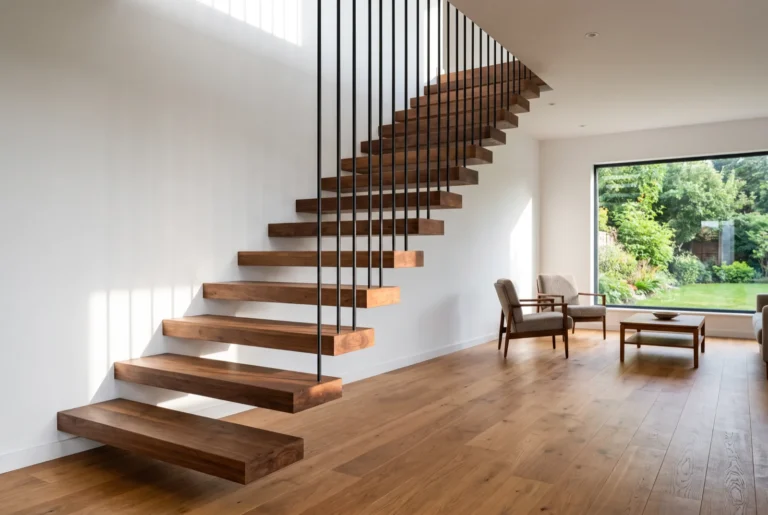
Timber treads are the most forgiving surface on a staircase and the easiest to ruin with the wrong habits. Two rules cover most of it: keep water off it, and clean along the grain rather than across it.
- Never wet-mop timber treads. A barely damp cloth is enough. Standing water swells the fibres and lifts the finish at the edges, which is where wear starts.
- Sweep or vacuum first. Grit underfoot is an abrasive, and it does more damage to a finish than years of ordinary walking.
- Refinish rather than replace. Timber is the one tread material that can be sanded back and recoated in place, which is why a worn timber staircase is rarely a lost cause.
- Expect the nose of each tread to wear first. That is normal, and catching it early means a recoat rather than a repair.
- Keep strong sun off it where you can. Direct sunlight through a stairwell window will fade one part of a flight and not the rest.
Dense hardwoods such as teak handle Indian humidity well. Softer timbers move more with the seasons, so expect small seasonal gaps rather than treating them as defects.
Balustrade and Handrail Maintenance
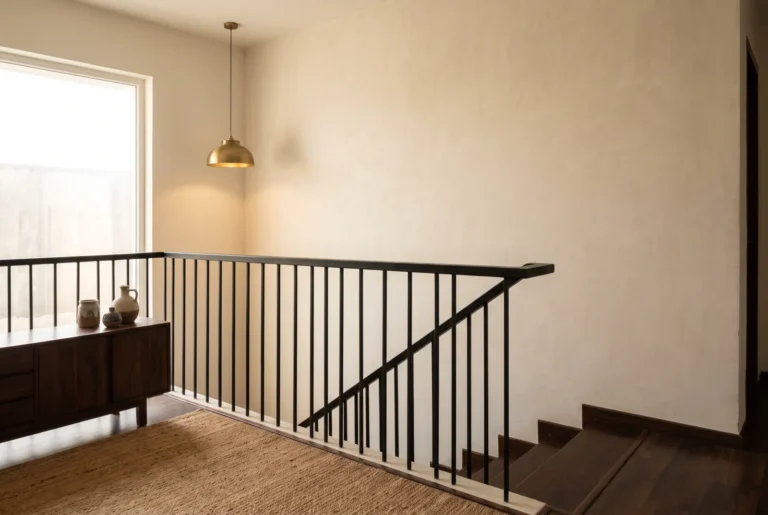
The balustrade is the part of a staircase people actually touch, and the part where a fault matters most. It deserves a proper look twice a year rather than a glance.
- Push the handrail sideways at several points. Any movement means a bracket or fixing, and it is far easier to correct early.
- Check the gap between balusters. It should be tight enough that a small child cannot pass through. If it is not, adding or replacing the balustrade is usually possible without touching the flight itself.
- Confirm the handrail runs the full length. A rail that stops short of the top or bottom step is a common and genuinely dangerous shortcut.
- On cable railings, check tension. Cables relax over time; a cable you can push a finger through is due for tightening.
- On glass balustrades, check the fittings, not the glass. Standoffs and clamps carry the load. Clean the glass with a cloth rather than anything ammonia-based, which attacks the seals.
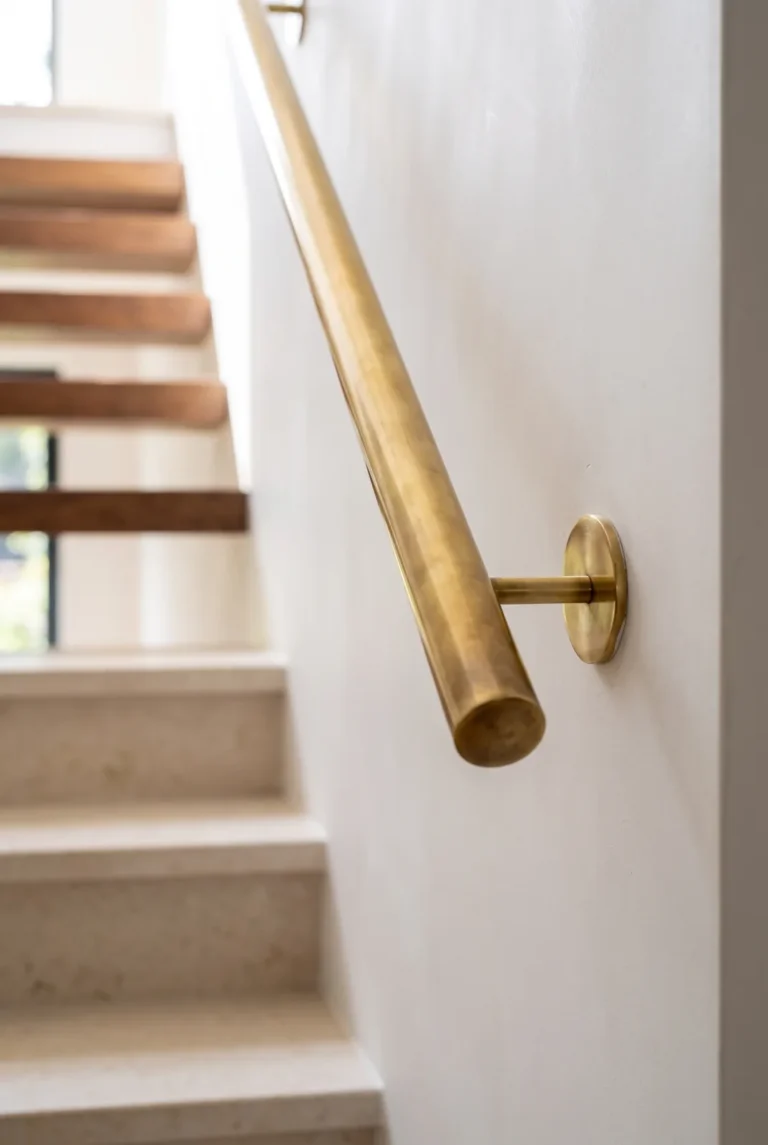
- On brass, decide whether you want patina or shine. Both are valid. What you should not do is polish it occasionally and unevenly, which leaves a patchy finish.
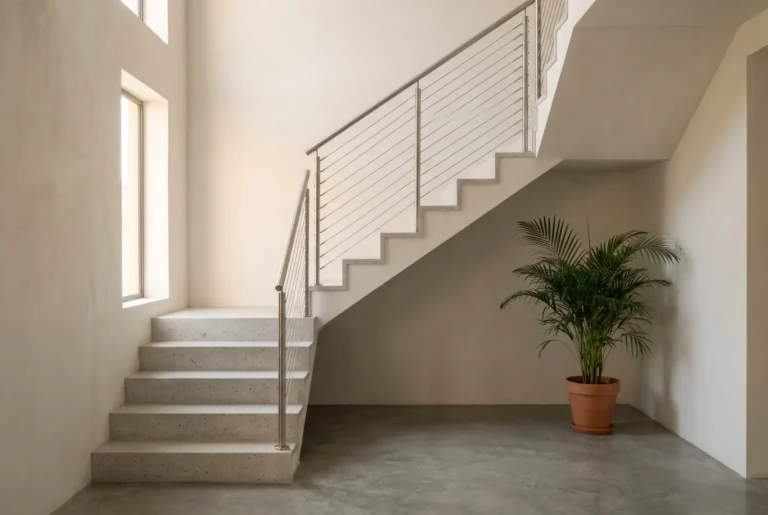
- On stainless, wipe rather than scrub. Never use steel wool near stainless steel, since fragments left behind rust and stain the surface they are embedded in.
Handrail height should sit between 34 and 38 inches on any staircase. If yours does not, that is worth raising with a fabricator rather than living with.
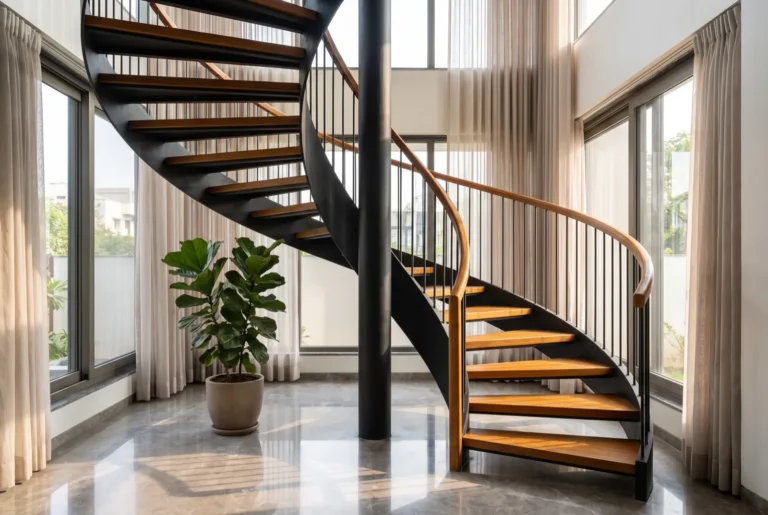
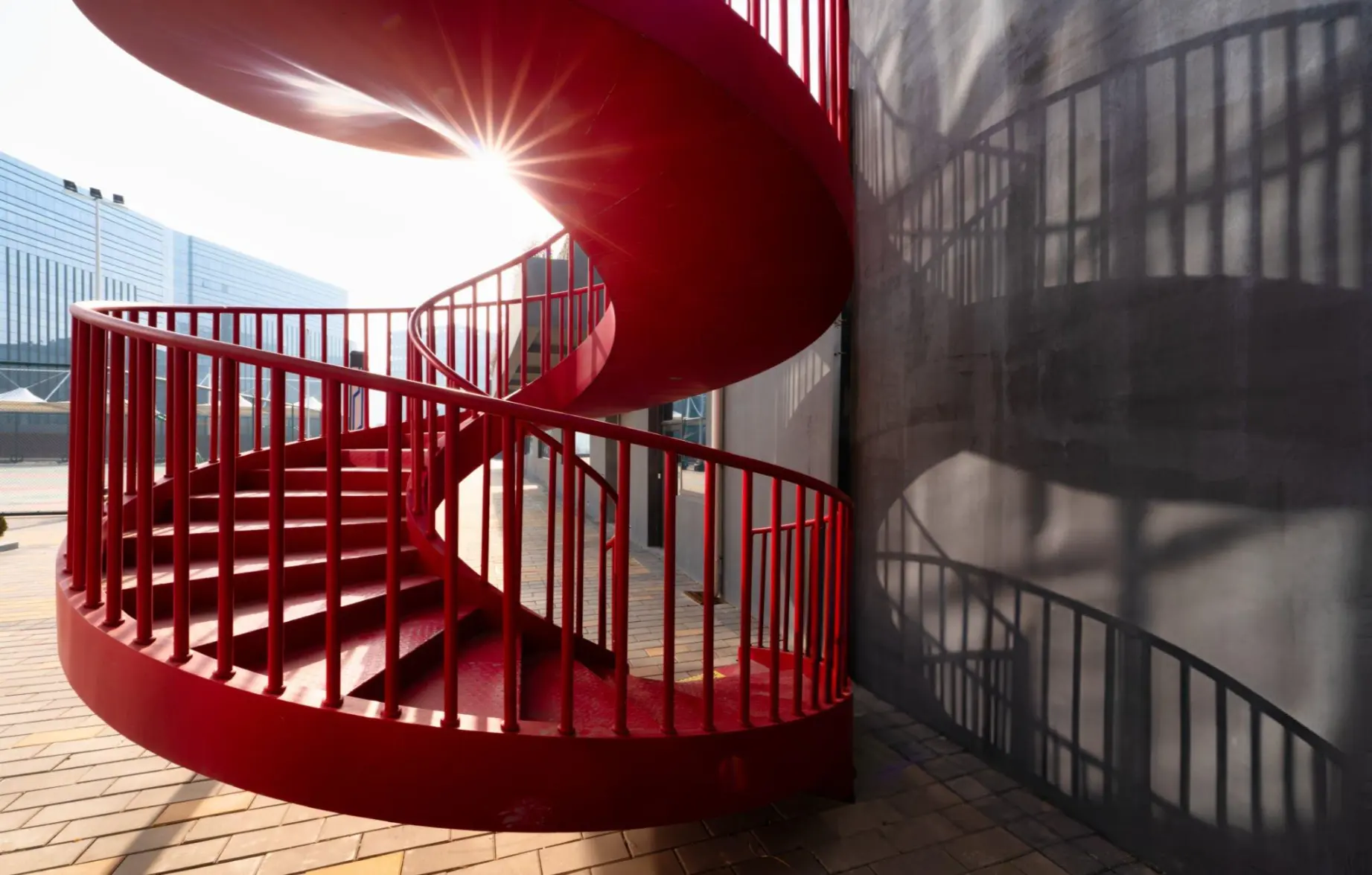
Common Spiral Staircase Issues & Fixes
1. Squeaky Steps
- Cause: Loose fittings or lack of lubrication.
- Fix: Tighten bolts and apply lubricant.
2. Rust Spots (Metal Stairs)
- Cause: Exposure to humidity.
- Fix: Sand lightly, apply rust converter, and repaint.
3. Wobbly Handrail
- Cause: Loose brackets or worn-out screws.
- Fix: Reinforce with new brackets or replace screws.
4. Faded Wood Finish
- Cause: Sun exposure or lack of polishing.
- Fix: Sand lightly and reapply wood stain.
Specific problems, in more detail
Three issues come up often enough to be worth their own guides:
- A staircase that ticks or creaks with the weather, which is usually expansion rather than a fault.
- Light rust at the base of balusters on black metal, and how to treat it so it does not return.
- Whether a spiral staircase is safe for your home, including homes with small children.
- Cleaning a stainless steel railing, and why brown speckling near the coast is a grade problem rather than a cleaning one.
- Timber treads in Indian humidity, including why seasonal gaps are normal and when to recoat.
- Glass balustrade care, where the fittings matter more than the glass.
- Brass handrail care, and how to choose between patina and shine.
- Powder coated railings: touching up chips, and when a full recoat is needed.
- Cable railing maintenance: keeping the cables taut and the fittings sound.
When to Call a Professional
While DIY fixes work for minor issues, some problems require expert attention:
⚠ Structural instability (if the staircase feels shaky)
⚠ Severe rust or corrosion (compromises safety)
⚠ Cracked glass treads (risk of breakage)
⚠ Loose central pole (needs realignment)
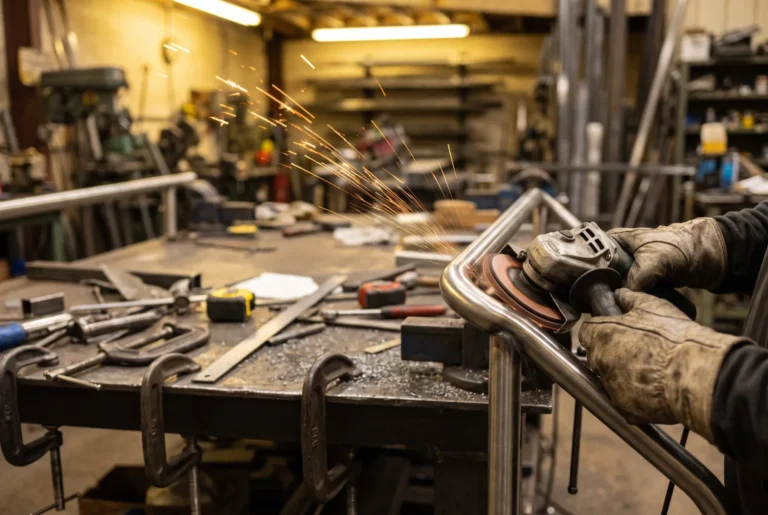
At Stairs Xpert by Dodia, we offer maintenance inspections to ensure your staircase remains safe and beautiful for decades.
Why Choose Stairs Xpert by Dodia?
- Maintenance and repair work on staircases, including ones we did not build.
- Fabricated in our own Malad workshop, not subcontracted.
- Our own installation team – the people who fit it are the people who built it.
- Working since 1976, on projects across India.
Conclusion
A well-maintained spiral staircase lasts decades and continues to be a stunning focal point in your home. Whether you have a modern glass design or a classic wooden spiral, following these tips will keep it in perfect condition.
Maintenance keeps a staircase safe as well as good-looking. If yours needs repair, refinishing or a replacement handrail, that is part of our staircase and railing services. We work on stairs we did not build. Describe the problem and we will tell you whether it is a repair or a rebuild.