MS or SS Railing: What the Terms Actually Mean
MS railing means mild steel railing. SS railing means stainless steel railing. Those two abbreviations cover most of what gets built in Indian homes, and fabricators use them so routinely on site that nobody stops to expand them.
The terms describe the metal, not the shape or the style. An MS railing and an SS railing can look almost identical from across a room. What separates them is how they behave over the years, what they need from you once they are installed, and how they cope with where you put them.
What MS means
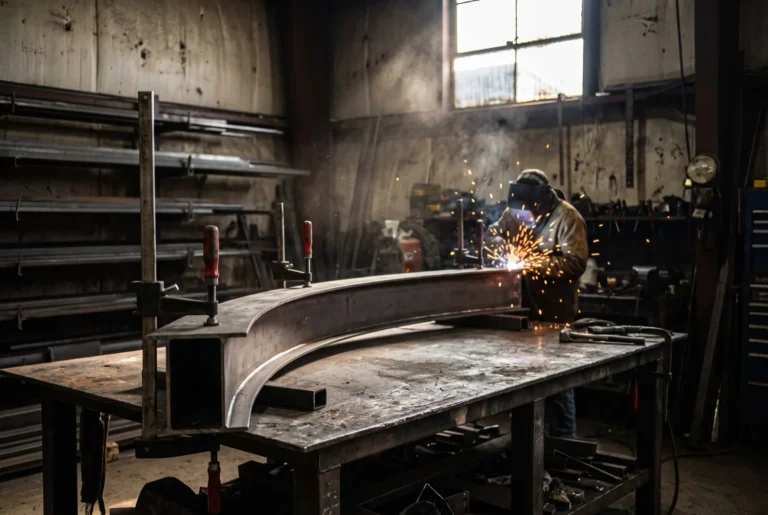
MS is mild steel, often called lokhand on site. It is steel with a low carbon content, which makes it strong, stiff and straightforward to weld. That weldability is the reason it is the structural backbone of most staircases, including ones that carry a stainless or glass railing on top.
Mild steel rusts when it is left bare, so an MS railing is never finished bare. Indoors it is usually powder coated. Outdoors it is galvanised, and often galvanised and then coated. The finish is doing the protecting, which means the life of an MS railing is really the life of its coating.
What SS means
SS is stainless steel. It contains chromium, which reacts with air to form a thin passive layer across the surface. Scratch that layer and it reforms by itself, which is why stainless resists rust without paint or coating on top of it.
Two grades account for nearly all railing work. Grade 304 is the everyday choice and is right for interiors and most balconies. Grade 316 adds molybdenum, which improves its resistance to chlorides, so it is the grade that belongs near the sea or anywhere salt-laden air reaches the rail.
How the two differ in practice
- Protection. Mild steel is protected by what you put on it. Stainless protects itself.
- Upkeep. An MS railing needs its coating watched and touched up where it chips. An SS railing mostly needs cleaning, and the common mistake is cleaning it with something abrasive.
- Repair. A damaged MS section can be welded and recoated on site relatively easily. Stainless can be repaired too, but matching the finish of the original takes more work.
- Look. Mild steel takes colour, so it suits matte black and other painted finishes. Stainless reads as metal, in satin or mirror polish.
- Exposure. On an open terrace or a coastal balcony the gap between them widens quickly, and it widens in favour of stainless.
Which to choose
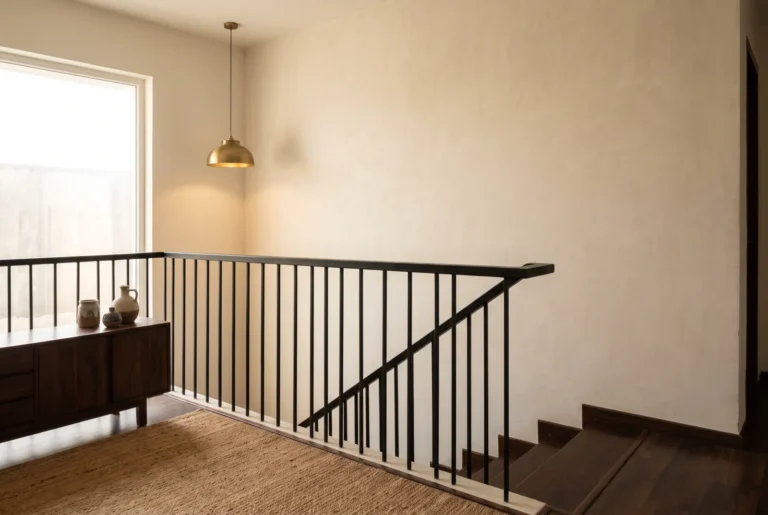
Indoors, where the rail stays dry, mild steel does the job well and takes exactly the colour you want. A black MS railing on an internal flight is one of the most common things we build, and there is nothing second-rate about it.
Outdoors, the question is how much weather actually reaches the rail. A covered balcony is kinder than an open terrace, and an open terrace near the coast is the hardest case of all. The further along that line you sit, the stronger the argument for stainless, and for grade 316 rather than 304.
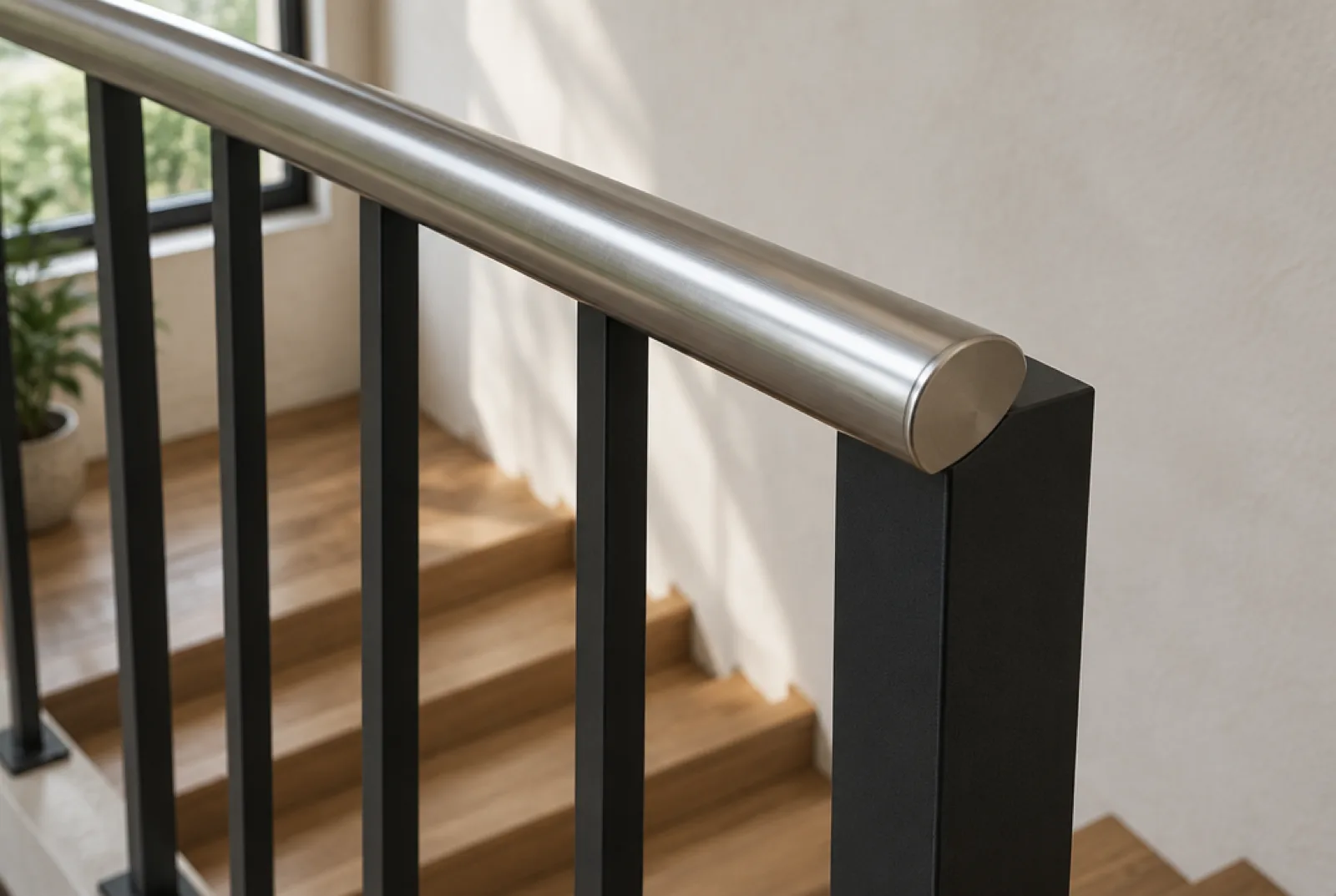
There is also a sensible middle path that gets used more than people expect: a mild steel structure carrying a stainless handrail. The steel does the structural work where it is protected, and the stainless goes where hands and weather actually land.
Getting it specified
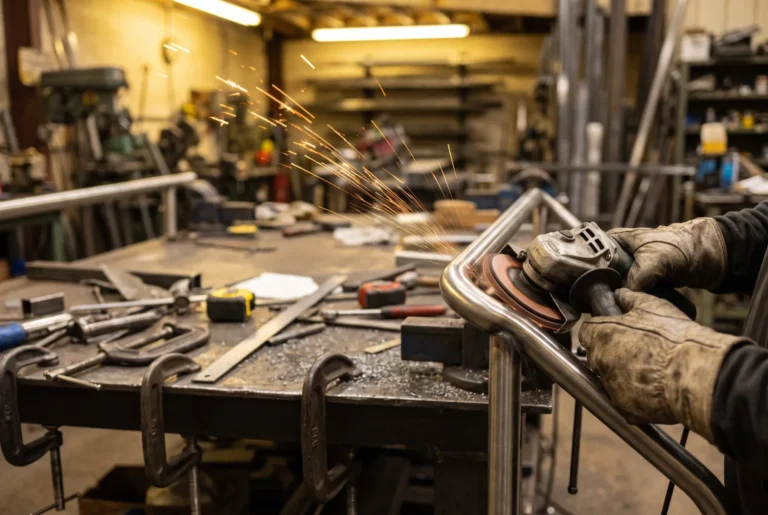
We fabricate in mild steel and stainless steel in our workshop in Malad, Mumbai, and install across India. When you ask for a quotation, the detail that changes our answer most is not the drawing, it is where the railing is going and how exposed it will be. Tell us that, and the grade and finish follow from it.
If you are still weighing up the structure rather than the railing, our note on choosing staircase materials for the climate covers the same decision one level up.